
Creating a well-organized home office is essential for productivity and comfort, especially as many people spend significant time working from home. A clutter-free, efficient workspace not only enhances focus but also contributes to a healthier work routine. Whether you have a dedicated room or a small corner, optimizing your home office setup can make a big difference. Here are some valuable tips to help you organize your home office for maximum productivity and comfort.
1. Choose the Right Location
Selecting the best spot for your home office is the first step toward effective organization.
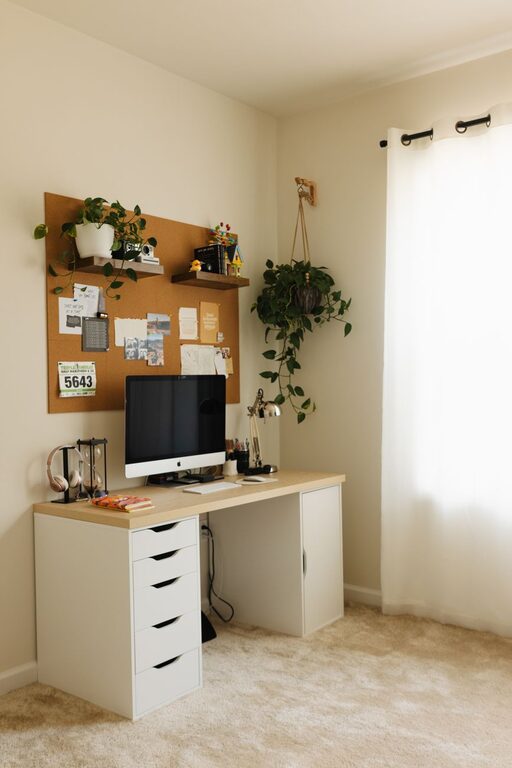
– Natural Light: Position your desk near a window to take advantage of natural light. This can reduce eye strain and improve mood.
– Quiet Area: Pick a space away from household noise and distractions to maintain concentration.
– Space Availability: Ensure there is enough room for your desk, chair, and storage, along with some breathing space.
2. Declutter and Prioritize Essentials
An organized workspace starts with minimizing clutter.
– Sort and Purge: Regularly go through papers, supplies, and electronics you no longer need.
– Keep Frequently Used Items Handy: Store everyday items like pens, notebooks, and chargers within arm’s reach.
– Limit Decorations: Personal touches are great, but avoid overcrowding your desk with too many items.
3. Invest in Functional Furniture
Choosing comfortable and practical furniture enhances both comfort and organization.
– Ergonomic Chair: A supportive chair reduces physical strain during long work hours.
– Adjustable Desk: Consider a desk with adjustable height options to alternate between sitting and standing.
– Desk with Storage: Desks that have built-in drawers or shelves help keep supplies organized and off the desktop.
4. Smart Storage Solutions
Organizing supplies and documents efficiently keeps your workspace neat and functional.
– Drawer Organizers: Use trays or dividers inside drawers to separate items like stationery or cables.
– Shelving Units: Wall-mounted shelves save floor space and provide storage for books, files, and decor.
– File Cabinets: Use labeled file cabinets or boxes to store important documents, keeping paperwork under control.
5. Optimize Cable Management
Messy cables can create a distracting and unsafe environment.
– Cable Clips and Holders: Attach cables to your desk or walls to prevent tangling.
– Cable Sleeves or Boxes: Group multiple cords to maintain a clean look.
– Wireless Accessories: Whenever possible, use wireless keyboards, mice, or headphones to reduce cable clutter.
6. Use Technology to Stay Organized
Leverage technology tools to streamline your workflow and reduce physical clutter.
– Digital Files: Keep files organized on your computer using well-named folders and cloud storage.
– Task Management Apps: Apps like Trello or Todoist help track tasks and deadlines.
– Calendar Tools: Use digital calendars to schedule breaks and meetings, promoting better time management.
7. Personalize Your Space Thoughtfully
A comfortable workspace encourages productivity and focus.
– Add Plants: Small indoor plants can improve air quality and create a calming atmosphere.
– Incorporate Personal Items: Favorite photos or artwork can provide motivation without overcrowding.
– Adjust Lighting: Use desk lamps with adjustable brightness to reduce eye strain during late hours.
8. Maintain Regular Cleaning and Organization
Keeping your office tidy is an ongoing process that supports long-term productivity.
– Daily Cleanup: Spend a few minutes each day clearing your desk and putting things back in place.
– Weekly Review: Assess your workspace and reorganize as needed to maintain efficiency.
– Cable Check: Routinely inspect cables and electronics for safety and cleanliness.
9. Create Zones for Different Activities
If space allows, designating zones in your office can help separate tasks and reduce mental clutter.
– Work Zone: Focus on your desk area for computer work, paperwork, and calls.
– Reference Zone: Have shelves or filing cabinets nearby for books and documents.
– Relaxation Zone: A small seating area for breaks helps you recharge without leaving the room.
10. Prioritize Comfort to Support Health
Your workspace should support not only your work but also your well-being.
– Maintain Proper Posture: Position your monitor at eye level and keep feet flat on the floor.
– Take Breaks: Incorporate short breaks to stretch and reduce strain.
– Use Accessories: Items like wrist rests, foot mats, or anti-glare screens can enhance comfort.
—
Final Thoughts
Organizing your home office is a valuable investment in your work-life quality. By choosing the right location, minimizing clutter, investing in functional furniture, and maintaining a comfortable environment, you can create a space that supports both productivity and well-being. Regularly revisit your setup to make improvements as your needs change, ensuring that your home office remains a pleasant place to work every day.
Related Posts

Tips for Creating a Cozy and Productive Home Office Space
Creating a home office space that is both cozy and…
Tips for Creating a Cozy and Productive Home Office Space
Creating a comfortable and efficient home office is essential for…
Tips for Creating a Relaxing Home Workspace to Boost Productivity and Well-being
Creating a relaxing home workspace is key to staying productive…