
Creating a relaxing home office environment is essential for maintaining focus and reducing stress throughout the workday. Whether you’re working full-time from home or occasionally handling tasks remotely, the atmosphere of your workspace impacts your overall productivity and well-being. Here are practical tips to help you design a home office that feels both comfortable and efficient.
Choose the Right Location
Finding the ideal spot for your home office is the first step toward creating a relaxing environment. Select a space that offers:
– Natural Light: Position your desk near a window to take advantage of daylight. Natural light improves mood and reduces eye strain.
– Quiet: Choose a low-traffic area to minimize distractions and background noise.
– Ventilation: Fresh air contributes to alertness and comfort. Ensure your space has good airflow.
If your home doesn’t have a dedicated room, consider using a screen or room divider to separate your office area visually.
Invest in Comfortable Furniture
A relaxing home office requires furniture that supports your body and encourages good posture.
– Ergonomic Chair: Choose a chair with adjustable height, lumbar support, and comfortable cushioning.
– Desk at Proper Height: Your desk should allow your forearms to rest comfortably at a 90-degree angle when typing.
– Footrest: If needed, use a footrest to keep your feet flat and reduce pressure on your legs.
Comfortable furniture reduces fatigue, helping you stay focused longer.
Personalize Your Workspace
Adding personal touches can make your home office feel inviting and uniquely yours. Consider:
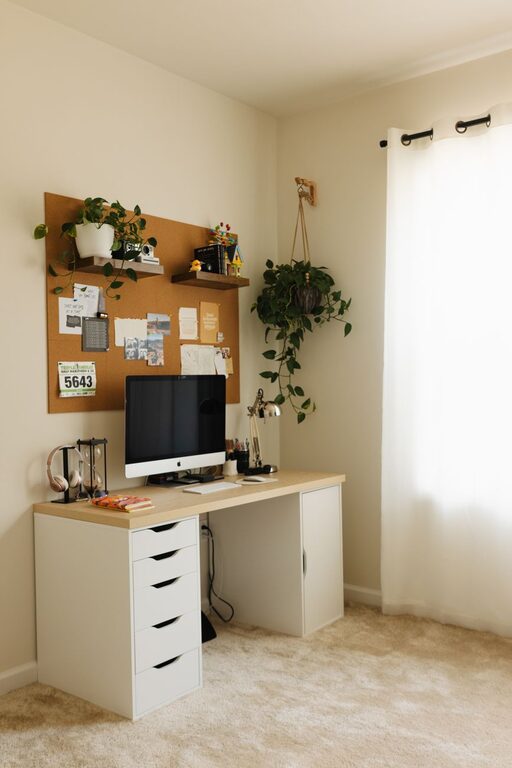
– Plants: Small indoor plants improve air quality and add a calming natural element.
– Artwork or Photos: Display images that inspire or relax you.
– Decorative Items: Use items like a favorite mug, colorful stationery, or scented candles (only if safe to burn while you work).
Aim for a balance; avoid clutter by choosing meaningful decor without overcrowding your space.
Optimize Lighting
Good lighting is key to reducing eye strain and creating a positive atmosphere.
– Layered Lighting: Combine overhead lights, desk lamps, and natural light for flexibility.
– Adjustable Task Lighting: A desk lamp with adjustable brightness helps when working on detailed tasks.
– Warm Light: Use bulbs with a warm color temperature (around 2700K–3000K) to create a cozy environment.
Avoid harsh fluorescent lighting and minimize glare on your computer screen.
Organize and Declutter
A tidy workspace promotes relaxation and efficiency.
– Storage Solutions: Use shelves, filing cabinets, or storage boxes to keep supplies organized.
– Minimal Desk Items: Keep only essential items on your desk to reduce distractions.
– Daily Clean-Up: Set aside a few minutes each day to straighten your workspace.
An organized office helps create mental clarity, reducing stress.
Incorporate Calming Colors
Color affects mood and focus. Choose hues known for their calming effects:
– Soft Blues and Greens: These colors promote relaxation and concentration.
– Neutral Tones: Shades like beige, gray, and white keep the space feeling clean and open.
– Accent Colors: Use muted pastels or earth tones as accents to add warmth.
Consider repainting the room or adding colorful artwork and accessories.
Manage Noise Levels
Noise can be a major distraction. To maintain a peaceful environment:
– Noise-Canceling Headphones: Use these if you work in a noisy home.
– Soundproofing Materials: Add rugs, curtains, or acoustic panels to absorb sound.
– Background Music or White Noise: Soft instrumental music or white noise machines can mask disruptive sounds.
Creating a quiet space helps you stay focused and lowers stress.
Maintain Proper Temperature and Air Quality
Comfortable temperature and fresh air boost productivity.
– Temperature Control: Use fans, heaters, or air conditioning to keep the room between 68°F and 72°F.
– Air Purifying Plants: Certain plants like snake plants or spider plants improve indoor air quality.
– Regular Cleaning: Dust and allergens can affect your comfort—keep your office clean.
Proper ventilation and temperature make your workspace more enjoyable.
Take Breaks and Move
Even in a relaxing environment, prolonged sitting can lead to fatigue.
– Scheduled Breaks: Take short breaks every hour to stretch or walk.
– Standing Desk Options: Consider a sit-stand desk to vary your posture.
– Stretch or Meditate: Use breaks to stretch muscles or practice a minute of mindfulness.
Movement refreshes your body and mind, helping maintain a calm and productive mood.
Use Technology Wisely
Technology can enhance your home office but also be a source of stress if unmanaged.
– Organized Cables: Use clips or sleeves to keep wires tidy.
– Quality Equipment: Invest in reliable devices like a good monitor, keyboard, and mouse.
– Limit Notifications: Use “Do Not Disturb” settings to minimize interruptions during focused work.
A well-managed tech setup supports a relaxed work experience.
—
By thoughtfully designing your home office with these tips, you can create a space that encourages calmness and helps you work effectively. Remember, a relaxing environment is personal—adjust these ideas to fit your preferences and lifestyle for the best results.
Related Posts
Tips for Creating a Cozy and Productive Home Office Space
Creating a comfortable and efficient home office is essential for…
Effective Tips for Organizing Your Home Office to Boost Productivity and Comfort
Creating a well-organized home office is essential for productivity and…
Tips for Creating a Relaxing Home Workspace to Boost Productivity and Well-being
Creating a relaxing home workspace is key to staying productive…